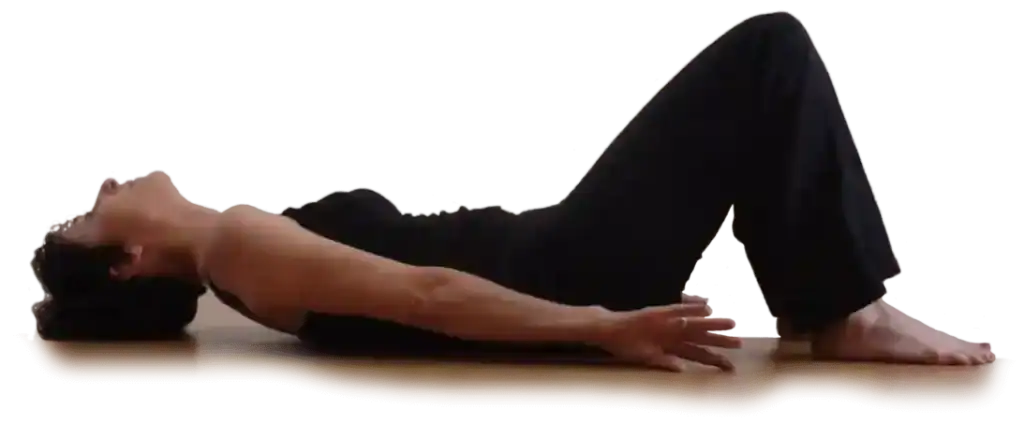

התרגול מאפשר להשתחרר מתבניות תנועה מותנות ומורגלות שגורמות לחוסר איזון ולהשתחרר מכאב.
What Is Educational Somatic Movement?
המאמר באודיו
חינוך לתנועה סומטית, מהי השיטה הזו?
What makes somatic practice and clinical somatic sessions unique,
and how do they differ from other movement
and therapeutic approaches?
Introduction
Imagine waking up in the morning free from chronic pain, feeling relaxed, flexible, and at ease in your body. That is the transformative potential of Educational Somatic Movement.
Educational Somatic Movement offers a fresh and distinctive approach to movement education and recovery, one that differs in fundamental ways from conventional methods of exercise and rehabilitation.
In this article, we explore the key principles that make somatic practice and clinical somatic sessions unique, and what sets them apart from other movement and therapeutic approaches.
What Is Educational Somatic Movement?
Educational Somatic Movement is a holistic approach to improving movement, relieving pain, and addressing physical and emotional tension. It focuses on restoring the brain’s voluntary control over the muscles while developing greater body awareness.
Through somatic practice, chronic muscular tension can be released, allowing the body to regain its natural flexibility, ease, and freedom of movement.
The main conditions and challenges that Educational Somatic Movement can help address include:
Chronic Pain
Educational Somatic Movement helps relieve a wide range of chronic pain conditions, including back pain, neck pain, knee pain, and shoulder pain.
Physical Tension
Educational Somatic Movement helps restore movement that has become restricted due to injury or poor posture.
Emotional Stress and Psychological Distress
Educational Somatic Movement addresses movement patterns shaped by the body's stress reflexes, helping to release chronic tension associated with emotional stress
Improved Posture and Movement
Educational Somatic Movement helps people improve their posture and restore natural, effortless movement.
Performance Enhancement
Educational Somatic Movement helps athletes, dancers, and musicians enhance their performance by releasing unnecessary muscular tension and improving movement efficiency.
What Does "Somatic" Mean?
The word “somatic” comes from the Greek word soma, meaning “the living body.”
In Educational Somatic Movement, the term “somatic” refers to the experience of the body from within. It emphasizes not only physical movement, but also the awareness, sensations, emotions, and thoughts that accompany movement.
Rather than viewing the body as an object to be observed from the outside, the somatic perspective focuses on how we experience ourselves from a first-person point of view. It is through this internal awareness that we can improve movement, release unnecessary muscular tension, and restore greater ease and freedom in the body.
A Shift in Perspective
Educational Somatic Movement approaches the body from a first-person perspective, emphasizing internal sensation and the quality of movement rather than external appearance. The focus is on direct experience: sensing movement, noticing where movement is absent, and releasing areas of unnecessary muscular holding.
This first-person somatic perspective differs fundamentally from the third-person perspective commonly found in conventional healthcare, where the body is viewed primarily as a structure to be assessed, analyzed, and corrected.
By experiencing the body from within, we become aware not only of how we move, but also of the sensations that accompany movement. This awareness creates the foundation for meaningful and lasting change.
Where a third-person perspective often focuses on structural problems and mechanical function, the somatic perspective emphasizes relearning movement and freeing the body from habitual patterns that no longer serve us.
This approach encourages us to listen to the body’s internal signals, understand what they communicate, and respond with greater awareness. As a result, we develop deeper body awareness and discover more efficient, comfortable, and coordinated ways of moving.
The somatic perspective invites us to rediscover movement through learning rather than correction. Instead of treating the body as a machine that needs fixing, we learn to experience it as a living, adaptive system capable of change.
Through this process, somatic practice helps release limiting movement habits and supports the development of healthier, more natural movement patterns that reflect each person’s unique needs and goals.
Pandiculation and Neurological Reset
One of the defining features of Educational Somatic Movement is the use of pandiculation, a technique that helps reawaken the brain’s voluntary control over the muscles. By restoring the brain’s ability to consciously regulate both muscular contraction and relaxation, pandiculation improves movement, reduces unnecessary tension, and enhances neuromuscular control.
A pandiculation consists of a gentle voluntary muscle contraction followed by a slow, conscious release and a period of complete rest. This process allows the brain to recalibrate muscle activity, restoring optimal muscle tone during both movement and relaxation.
Many people notice that even while resting, their muscles never seem to fully relax. This often occurs because the brain has lost efficient voluntary control over those muscles, resulting in persistent muscular tension, fatigue, and, over time, chronic pain.
Pandiculation, the hallmark technique of Educational Somatic Movement, provides a neurological reset for the brain, nervous system, and muscles. This is one of the key characteristics that distinguishes somatic practice from other forms of exercise that focus primarily on stretching, strengthening, or external performance.
Sensory Motor Amnesia and Personal Empowerment
Educational Somatic Movement recognizes the existence of Sensory Motor Amnesia (SMA), a condition in which the brain gradually loses voluntary control over certain muscles. As a result, chronic muscular tension and pain may persist long after the original cause has disappeared, becoming habitual patterns maintained unconsciously by the nervous system.
By addressing Sensory Motor Amnesia and restoring voluntary control over the muscles, somatic practice enables people to release chronic muscular tension with ease. This process not only relieves pain but also fosters greater self-awareness, confidence, and a renewed sense of control over one’s body and movement.
Sensory Motor Amnesia is reversed through the practice of pandiculation and, when appropriate, through a series of clinical somatic sessions. During these sessions, the Clinical Somatic Educator provides skilled guidance and sensory feedback that support the brain in establishing new neuromuscular pathways and restoring healthy communication between the brain, nervous system, and muscles.
Focusing on Function Rather Than Structure
Many people believe that chronic pain is primarily caused by structural problems such as disc bulges, cartilage degeneration, or age-related changes. While structural factors can sometimes play a role, pain is often more closely related to the way we move than to the body’s structure itself.
Educational Somatic Movement focuses on improving movement function by developing body awareness and directing attention to internal sensation. As we learn to recognize and change habitual movement patterns, we can move with greater ease, reduce unnecessary muscular tension, and often experience significant relief from chronic pain.
Pain is not always a sign of structural damage. In many cases, it reflects long-standing neuromuscular habits that have become deeply ingrained over time.
By focusing on function rather than structure, somatic practice helps restore natural movement, improve movement quality, and reduce pain without relying on invasive procedures or surgery.
The Mind-Body Connection
It is important to understand that we are, by nature, somatic beings. Rather than existing as separate body and mind that require different forms of treatment, we function as one integrated whole at every moment.
Every mental, emotional, and psychological experience is reflected in the body through changes in movement, muscle activity, physiological function, and hormonal responses.
The body and mind are not separate entities but two inseparable expressions of a single living organism. Dr. Thomas Hanna referred to this integrated human experience as the Soma (SOMA).
This understanding is fundamental to Educational Somatic Movement because it recognizes that changes in the body influence our emotional and mental state, just as changes in our emotional and mental state influence the body.
The Transformative Potential of Somatic Pandiculation
Pandiculation offers far more than physical relief. By restoring voluntary control over muscular tension, it creates new opportunities for learning, self-awareness, and lasting change. As chronic muscular holding begins to soften, many people discover greater freedom not only in movement, but also in the way they respond to stress and engage with daily life.
Educational Somatic Movement is based on the understanding that body and mind are inseparable aspects of the same living human experience. Changes in movement influence perception, emotion, and behavior, just as emotional experiences influence posture, breathing, and muscular activity.
Through regular somatic practice, many people develop greater resilience, emotional regulation, and a deeper sense of connection with themselves. Rather than forcing change from the outside, somatic learning supports the nervous system in discovering healthier, more efficient patterns of movement and self-organization.
Over time, this process can extend beyond physical comfort. As habitual patterns become more flexible, new possibilities emerge, for movement, for perception, and for the way we experience ourselves and the world around us.
This understanding is fundamental to Educational Somatic Movement because it recognizes that changes in the body influence our emotional and mental state, just as changes in our emotional and mental state influence the body.
The Practical Applications of Somatic Practice
Awareness Throughout the Day
One of the most practical aspects of somatic practice is developing greater body awareness throughout the day. Rather than limiting awareness to a class or practice session, Educational Somatic Movement encourages us to notice how we move, hold ourselves, and respond to everyday situations.
Simple questions such as "What am I feeling in my body right now?" and "How am I holding myself while I work?" help us recognize unnecessary muscular tension before it develops into pain. This growing awareness supports healthier movement, greater ease, and an improved quality of life.
Learning Somatic Practice and Pandiculation
Educational Somatic Movement is based on a set of unique learning methods, with pandiculation at its core. Unlike stretching or strengthening exercises, pandiculation involves a gentle voluntary muscle contraction followed by a slow, conscious release and complete relaxation.
This process restores the brain's voluntary control over muscular activity, improves muscle tone, and helps release chronic muscular tension. As people learn and practice pandiculation, they develop the ability to consciously relax muscles, often experiencing immediate relief from muscular pain and stiffness.
Integrating Pandiculation into Everyday Life
With regular practice, pandiculation becomes a natural part of daily life. It can be used whenever muscular tension, stiffness, or restricted movement is noticed, not only during formal practice sessions.
The ability to perform pandiculations spontaneously throughout the day is one of the most valuable skills developed through somatic practice. It provides a simple and effective way to reduce unnecessary muscular tension, restore comfortable movement, and support long-term physical well-being.
Learning with a Clinical Somatic Educator
Guidance from a Clinical Somatic Educator plays an important role in the learning process. Group classes provide opportunities to learn through shared experience, while private clinical somatic sessions offer individualized guidance tailored to each person's unique needs.
The educator helps students understand the principles of somatic practice, develop the skill of pandiculation, and apply these techniques effectively in everyday life. Together, group learning and individual sessions create a comprehensive learning experience that supports greater independence, improved movement, and lasting relief from chronic pain and movement limitations.
Somatic Practice as a Tool for Changing Habits and Patterns
Somatic practice helps us recognize and transform habitual patterns that are reflected in the way we move and hold our bodies. Throughout the learning process, we may ask ourselves questions such as, “What patterns do I notice in my body?” and “How can I change these patterns to improve my health and well-being?”
These questions encourage greater self-awareness and support meaningful changes that benefit both physical and emotional health.
Rediscovering Our Innate Capacity for Self-Regulation
Many people feel that they have lost control over their bodies or even over the direction of their lives. Educational Somatic Movement offers a different perspective by helping us reconnect with innate abilities that have always been part of our somatic nature: the ability to sense, discover, regulate, adapt, and recover.
For example, when we become aware of habitual muscular tension in a particular area of the body, we can use somatic practice to release that tension and restore freer, more comfortable movement. Over time, this process improves overall balance, strengthens self-regulation, restores a sense of control, and can significantly reduce chronic pain.
Practicing Somatics in a Group Setting
Participating in group somatic classes, whether online or in the studio, offers many valuable benefits.
The educator observes each participant’s movement and provides personalized guidance, helping refine technique, deepen understanding, and bring awareness to areas that may appear to be moving but are, in fact, restricted.
Building Skills for Independent Practice
Group classes introduce participants to a wide variety of pandiculations that can be practiced independently between sessions. This encourages continuity, reinforces learning, and supports ongoing improvement in movement, body awareness, and self-care.
Learning alongside others also creates a supportive and inspiring environment where participants can benefit from shared experiences and discover new perspectives through the learning process.
Consistency, Discovery, and Personal Growth
Regular group practice encourages consistency and strengthens the motivation to continue learning. As body awareness develops, movement becomes more comfortable, coordinated, and efficient.
No two practice sessions are ever the same. Every pandiculation reveals something new about the body and offers another opportunity to discover our capacity for change from within.
Individual Clinical Somatic Sessions
Individual Clinical Somatic Sessions provide a personalized learning process in which the Clinical Somatic Educator uses six specialized techniques, including somatic pandiculation, to help the brain establish new neuromuscular connections and release habitual movement patterns stored within the nervous system.
Each technique is designed to increase body awareness, improve voluntary movement, and restore healthy communication between the brain, nervous system, and muscles.
Active Learning Creates Lasting Change
The learning that takes place during individual clinical somatic sessions becomes integrated over time and gradually develops into a natural way of moving.
This lasting change occurs because the client is an active participant throughout the session. Rather than remaining passive, the client stays aware of the body’s sensations while performing guided movements based on the educator’s assessment and individual needs. It is this active participation that provides the brain and nervous system with the sensory information needed for meaningful and lasting learning.
A Personalized Approach to Recovery and Well-Being
Throughout the session, the Clinical Somatic Educator continually adapts the techniques to meet each client’s unique needs, creating a learning experience that is both effective and highly individualized.
Beyond improving movement and physical function, individual clinical somatic sessions help people reduce pain, experience greater calm and ease, and develop the skills to create a life with greater freedom from chronic tension and pain.
Combining Somatic Practice with Other Healthcare Approaches
Educational Somatic Movement can be integrated effectively with other healthcare and rehabilitation approaches to support overall health and well-being. For example, combining somatic practice with physiotherapy can enhance recovery from injury while improving movement quality and coordination.
Following an injury or surgery, rehabilitation often focuses on strengthening specific muscles. Somatic practice complements this process by helping release muscles that have become chronically overactive as compensation. Restoring this balance within the movement system supports recovery, improves movement efficiency, and contributes to long-term physical resilience.
Supporting Emotional Well-Being
Somatic practice can also be a valuable complement to psychotherapy and other forms of emotional support. By developing greater body awareness, people become more aware of the relationship between physical sensations, emotions, and thought patterns.
This integrated approach can deepen the therapeutic process, promote self-regulation, and support a greater sense of balance and well-being. For this reason, Educational Somatic Movement is often a valuable addition to both physical rehabilitation and emotional healing processes.
Somatic Practice Is Not Exercise
Somatic practice is based on a series of gentle, intentional movements designed to increase awareness of muscular tension and habitual movement patterns. These slow, mindful movements work directly with the nervous system and automatic reflexes, encouraging greater body awareness, ease, and voluntary control.
Unlike conventional exercise, somatic practice does not focus on building strength or increasing endurance. Its primary goal is to improve communication between the brain and the body, helping release unnecessary muscular tension and restore comfortable, coordinated movement.
Learning Rather Than Training
Where many forms of exercise emphasize physical performance, strength, or endurance, somatic practice emphasizes learning. It helps us recognize patterns of Sensory Motor Amnesia (SMA), identifying areas the brain has gradually stopped sensing and controlling, often resulting in imbalance, stiffness, or chronic pain.
Rather than pushing the body harder, somatic practice teaches the nervous system how to move more efficiently and with less effort.
Restoring Natural Movement
The goal of somatic practice is to restore the brain and body’s natural ability to move freely, comfortably, and without pain. As healthy neuromuscular control returns, flexibility improves naturally without the need for forceful stretching, while balance, stability, and ease of movement are gradually restored.
Through this learning process, the brain develops healthier movement patterns that support long-term well-being, resilience, and freedom of movement.
Somatic Practice as a Way of Life
To experience the full benefits of Educational Somatic Movement, it is helpful to embrace somatic practice as an ongoing part of daily life rather than as a temporary solution. Regular practice supports overall health, enhances movement, and can complement the body’s natural recovery processes.
As somatic practice becomes part of our daily routine, we begin to notice meaningful changes in the way we move, feel, and respond to the world around us.
A Lifelong Journey of Learning and Self-Discovery
Questions such as “How do I feel after practicing?” and “What am I learning about myself through this experience?” encourage deeper self-awareness and help us recognize the gradual changes taking place within us.
For many people, somatic practice becomes much more than a movement method. It evolves into a lifelong process of learning and personal growth, supporting physical well-being, emotional resilience, and a deeper connection with oneself.
A Different Way of Living
Educational Somatic Movement offers a unique approach to movement education and clinical somatic sessions that has the potential to transform the way we move, feel, and experience life.
By prioritizing function over structure, cultivating first-person awareness, and releasing habitual muscular tension, somatic practice restores greater freedom of movement, supports relief from chronic pain, and deepens our connection with ourselves. It also encourages greater flexibility in the way we respond to physical, emotional, and mental challenges, creating new possibilities for healthier and more adaptive patterns of living.
Through the practice of pandiculation, the resolution of Sensory Motor Amnesia (SMA), and a focus on movement quality rather than structural correction, Educational Somatic Movement offers a holistic, individualized, and empowering path toward lasting well-being, resilience, and personal growth.
Join one of our upcoming workshops and discover how Educational Somatic Movement can help you release unnecessary tension, move with greater ease, and reconnect with your body’s natural ability to heal and self-regulate.