ESIM© | The Israeli Center for Educational Somatic Movement

Educational Somatic Movement is, first and foremost, a path to becoming free in your own body, cultivating self-awareness and self-reliance.
◦ Release chronic muscular pain
◦ Restore natural movement
◦ Rediscover the freedom to move with ease
Educational Somatic Movement:
A Comprehensive and In-Depth Solution for a Wide Range of Health Challenges
Educational Somatic Movement focuses on working deeply with the nervous system and restoring voluntary neuromuscular control. Somatic practice helps release habitual movement patterns that have become deeply ingrained over the years while rebuilding the connection between the brain and the body. Its purpose is to restore the brain’s ability to consciously regulate muscular activity, allowing tension and pain to be released naturally.
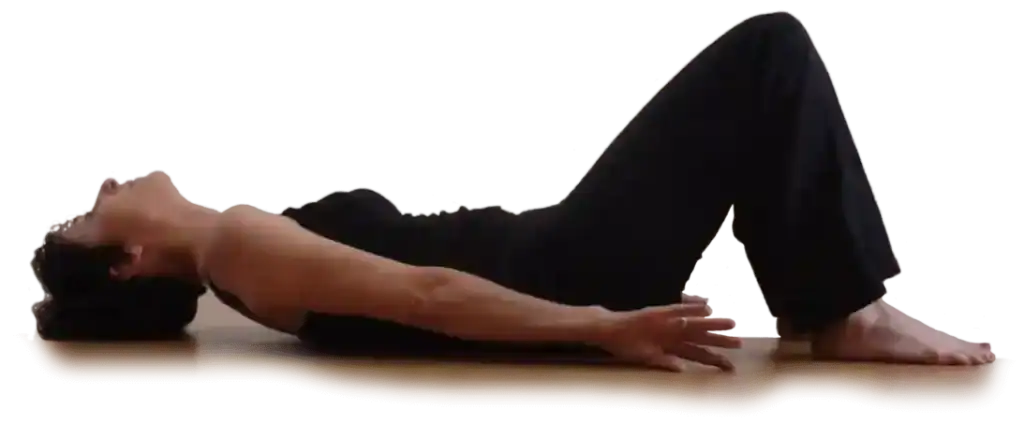
The movements are simple, performed while lying on a mat, and are suitable for people of all ages.
The Missing Link in Pain Relief – Educational Somatic Movement
Educational Somatic Movement is often the missing link in understanding chronic pain and the role that habitual movement patterns play in its development. It offers a perspective that is fundamentally different from many conventional approaches to movement and rehabilitation.
1. Neurological Rather Than Merely Mechanical
While many approaches focus primarily on muscles, joints, or structural alignment, Educational Somatic Movement works directly with the nervous system. It helps the brain relearn how to release chronically contracted muscles and regain voluntary control over movement patterns that have become automatic through stress, trauma, injury, or everyday habits.
2. Addressing the Cause Rather Than the Symptoms
Rather than simply reducing pain, Educational Somatic Movement identifies and transforms the habitual movement patterns that contribute to chronic pain. By changing these patterns at their source, the improvements are often more sustainable and long-lasting.
3. Experiencing the Body from Within
Unlike approaches that treat the body as an object to be manipulated, Educational Somatic Movement places the individual at the center of the learning process. It cultivates a first-person experience of the body, encouraging greater awareness of internal sensations, movement habits, and muscular holding patterns, making conscious change possible.
4. Pandiculation – A Unique Method
Pandiculation is the foundation of Educational Somatic Movement and represents a distinctive method not found in other movement disciplines. Through slow, mindful movement, it provides the nervous system with the sensory information needed to recalibrate voluntary muscle control and release deeply ingrained patterns of chronic muscular contraction.
5. Integrating Body and Mind
Educational Somatic Movement recognizes that physical and emotional experiences are deeply interconnected. Patterns of stress, emotional responses, and trauma are often reflected in posture, muscular tension, and movement. Working through the body can therefore support greater physical ease as well as emotional well-being.
6. Learning Rather Than Being Fixed
Instead of relying on external correction or passive treatment, Educational Somatic Movement is an educational process. Students learn how to recognize, understand, and change their own movement patterns, gaining practical skills they can continue using throughout their lives.
7. Restoring Natural Human Movement
Educational Somatic Movement focuses on restoring the quality of our most fundamental human movements, including breathing, standing, walking, bending, and reaching. As these essential functions become more coordinated and efficient, overall movement, comfort, and daily function naturally improve.
Educational Somatic Movement is unique because it offers more than temporary pain relief. It provides a practical and effective way to address the neurological origins of chronic muscular tension and dysfunctional movement patterns. By restoring communication between the brain and the body, it creates the conditions for lasting change and offers an essential perspective that is still largely missing from contemporary movement education and pain care.
Somatic Practice as a Way of Life
◦ If I want to be free, I must be me ◦
◦ Pain-free, and independent ◦

Educational Somatic Movement – Courses
I am Iris Bar-Lev, an Educational Somatic Movement Teacher and Practitioner with over 20 years of experience.
I believe that the body can relearn free, comfortable movement at any age.
CCSE – Certified Clinical Somatic Educator


How Can I Help You?
My name is Iris Bar-Lev.
If you have found your way here, you are probably living with pain. Perhaps it has been with you for months or even for years. Based on both my personal experience and more than twenty years of professional practice, I can tell you with confidence that it does not have to be this way.
Just as I was able to free myself from chronic pain, I believe you can do the same. You can move with greater ease, feel at home in your body again, and begin a new chapter of your life free from pain, moving comfortably and feeling well in the body that carries you through life. You do not need special abilities to make this possible.
Just a few minutes of simple somatic practice each day can make a remarkable difference. Before long, you may find yourself wondering, “Why didn’t I do this sooner? What was I waiting for?”
Somatic practice and Somatic Movement Therapy make this transformation possible. It may seem almost magical, but it is the result of a clear intention, consistent practice, and the remarkable ability of the nervous system to learn and change. This is what creates lasting results.
It is possible to live without chronic pain, and every one of us deserves that opportunity.
I am here to help you learn how to help yourself. There is something deeply empowering about becoming free, independent, healthy, and comfortable in your own body. When we move without pain, we feel better, live more fully, and bring that sense of well-being into the lives of those around us.
Initial Assessment and Consultation in Educational Somatic Movement
During this 30-minute Zoom consultation, we will get to know each other and carry out a comprehensive assessment of your physical condition.
Together, we will discuss your medical history, pain, and movement limitations, and explore personalized solutions that best support your individual needs.
No Obligation (₪150)
Video: What Is Somatic Movement?
A Bridge to a Healthier Life
Somatic Practice as the Key to Lasting Change
If you are looking for a way to overcome persistent pain and feel better in your body, somatic practice may be the answer you have been searching for. It does more than relieve pain. It can transform the way you experience movement and, in turn, the way you experience life.
When you move with ease, without pain, with greater joy and less effort, life begins to feel different. You meet each day with more energy, greater freedom, and a renewed sense of well-being.
Educational Somatic Movement offers a simple, gentle, and effective path toward that transformation.
Start Today and Experience the Change for Yourself!
Newsletter Sign-Up
Receive inspiring articles, practical insights, and updates about upcoming somatic workshops and events.
Subscribe to the newsletter of
ESIM© | The Israeli Center for Educational Somatic Movement.
Selected Articles on Educational Somatic Movement
Educational Somatic Movement What Is This Method?

Educational Somatic Movement
What Is This Method?
What makes somatic practice and Somatic Movement Therapy unique, and how do they differ from other approaches to movement and rehabilitation?
Imagine waking up in the morning free from chronic pain, feeling relaxed, flexible, and comfortable in your body. This is the potential of somatic practice.
Educational Somatic Movement offers a fresh perspective on movement education and recovery, one that differs in important ways from many conventional approaches to exercise and rehabilitation.
In this article, we explore the key principles that make somatic practice and Somatic Movement Therapy unique, and what sets them apart from other movement and therapeutic methods.
The Difference Between Feldenkrais and Somatics

The Difference Between Feldenkrais and Somatics
Feldenkrais and Somatics are two approaches that offer a gentle and intelligent way to restore ease, awareness, and control to the body.
Neither approach is based on pushing harder or stretching forcefully. Instead, both work through the nervous system, using mindful attention, slow movement, and self-directed learning. Despite these similarities, there are important differences between them.
This article explores the key distinctions between the Feldenkrais Method and Somatics. Whether you are completely new to both approaches or are already familiar with Feldenkrais but have not yet discovered the work of Thomas Hanna, this guide will help you understand what makes each method unique.
Pandiculation: Releasing the Body from the Past, A New Path to Freedom

Pandiculation: Releasing the Body from the Past, A New Path to Freedom
Somatic practice begins with developing a deeper awareness of the body’s structure and the way it functions. Practitioners learn to recognize their own habitual movement patterns, including chronic muscular contractions and tension that often remain outside conscious awareness. In many cases, these deeply ingrained patterns are a major source of chronic pain and inefficient movement, directly affecting comfort, mobility, and everyday function.
A Conversation About Inner Freedom: An Interview with Thomas Hanna

A conversation that clearly and eloquently expresses the breadth of Thomas Hanna's approach and the depth of his vision.
Hanna: Throughout my life, I have been deeply committed to the pursuit of freedom. I have always understood that being free means much more than simply living without external obstacles.
True freedom depends on inner strength and the capacities that make independence possible: discernment, perception, intelligence, and the ability to take responsibility for one’s own life.
Remaining free from dependence on institutions has been a central theme throughout my life.
A person cannot be independent without standing on their own two feet. This is not about rebellion. It is about knowing who you are, recognizing your own strengths, and developing the ability to think creatively and act productively from within yourself.
Over the years, this has become an increasingly important theme in both my thinking and my life.
Why Do Muscles Contract Involuntarily?

Why Do Muscles Contract Involuntarily?
Our muscles contract every day. Sometimes the contraction is voluntary and intentional, but very often it occurs below the level of conscious awareness. Controlled by the nervous system, muscular contraction is the foundation of movement, posture, and the body’s ability to protect itself from injury and danger.
Not all muscle contractions arise for the same reason. There are three primary mechanisms that lead to muscular contraction, each based on a different physiological process:
• Stretch Reflex – a rapid protective response of the nervous system.
• Protective Reflex – a muscular contraction that protects an injured area or responds to an immediate threat.
• Habitual Contraction – a deeply ingrained neurological pattern of chronic muscular contraction that develops through repeated experiences and is maintained below the level of conscious awareness.
Understanding these three mechanisms provides valuable insight into how the body functions. It helps explain the origins of chronic pain, muscular stiffness, and movement dysfunction, while offering a foundation for improving movement quality, restoring voluntary control, and supporting long-term well-being.
What Is Sensory-Motor Amnesia?

What Is Sensory-Motor Amnesia?
Sensory-Motor Amnesia (SMA) is a condition in which the brain gradually loses voluntary control over specific groups of muscles, leading to chronic muscular contraction and persistent pain.
This process occurs when the brain forgets how to regulate these muscles efficiently, causing them to remain in a state of ongoing contraction.
Sensory-Motor Amnesia can develop as a result of chronic stress, trauma, injury, or long-term movement imbalances. Over time, it may contribute to pain, muscular stiffness, reduced mobility, and limitations in everyday movement.
Educational Somatic Movement: The Pain Relief Revolution

Educational Somatic Movement: The Pain Relief Revolution
Pain is one of the most widespread health challenges, affecting millions of people around the world. Finding effective and lasting ways to relieve pain has become increasingly important.
Dr. Thomas Hanna’s method of Educational Somatic Movement offers a unique approach that has transformed the way chronic pain can be understood and addressed.
By focusing on the underlying neurological causes of pain through an understanding of reflexes, the practice of pandiculation, and the release of chronic muscular contraction, Educational Somatic Movement supports lasting relief and functional recovery.
This article explores the fundamental principles of Educational Somatic Movement and demonstrates how it can help address chronic pain and a wide range of physical conditions by restoring healthy movement and voluntary control of the muscles.
© 2026All Rights Reserved. Iris Bar-Lev | ESIM – The Israeli Center for Educational Somatic Movement